What is the Difference Between CPR and BLS Certification
Knowing how to help someone who is sick, hurt, or in danger is very important. Sometimes, a person may stop breathing or their heart may stop. Learning how to act fast can save their life. Two important ways to do this are called CPR and BLS. CPR is the first step that everyone can learn.
BLS is a bigger, more detailed way for healthcare workers like nurses, doctors, and students. Learning both helps people act safely in emergencies and prepares students to work in hospitals and clinics with confidence.
What is CPR Certification?
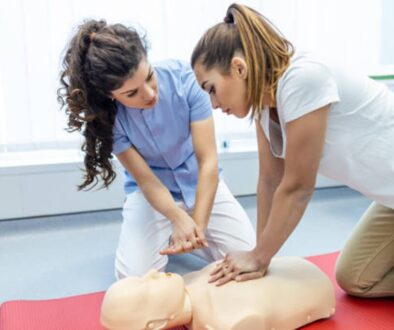
CPR means Cardiopulmonary Resuscitation. It is a way to help someone when their heart stops or they cannot breathe. CPR is for everyone. Parents, teachers, friends, and helpers can learn it.
What CPR Teaches:
- Push on the chest to help the heart pump blood
- Give breaths to help the person get air
- Act fast to help the person live
CPR is very important. Learning it can save lives. It is the first step for helping people in danger.
What is BLS Certification?
BLS means Basic Life Support. BLS is more than CPR. BLS is for healthcare workers. This includes nurses, doctors, and nursing students. It teaches how to help people in many emergencies in hospitals and clinics.
What BLS Teaches:
- CPR for adults, children, and babies
- How to use a machine called AED to help the heart
- How to help someone who is choking
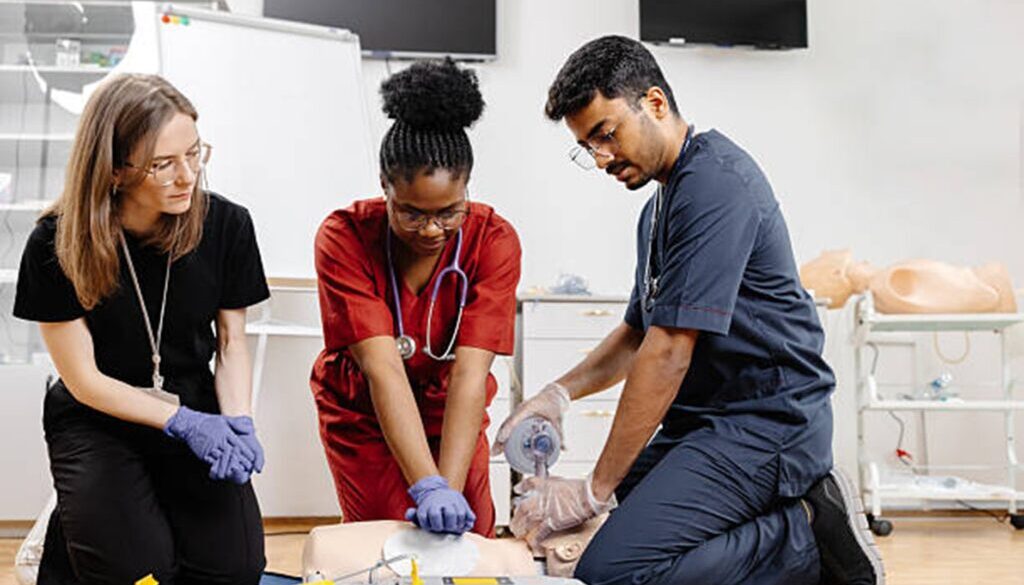
- How to work in a team to save a patient
BLS is stronger and more detailed than CPR. It prepares students to help people in real hospitals.
Key Differences Between CPR and BLS
We can see the difference in a simple table:
| Feature | CPR Certification | BLS Certification |
| Who Can Take It | Everyone, even non-healthcare people | Healthcare students and workers |
| Skills Learned | Basic saving skills | More advanced saving skills |
| Age Groups | Mostly adults | Adults, children, and babies |
| AED Use | Optional | Required |
| Team Work | No | Yes |
| Certificate Time | 1-2 years | 2 years |
CPR is the first step to help someone. BLS gives more skills for real emergencies.
Why Nursing Students Should Learn BLS?
Even though CPR can save lives, nursing students should learn BLS. It helps in many ways:
- Ready for Hospital Work: Most hospitals want students to have BLS before helping patients
- Better Jobs: Employers like students with BLS because they can act fast in emergencies
- Safe for Patients: BLS teaches students how to help safely and calmly
- Grow Career: BLS is a first step before learning more advanced healthcare skills
Many nurse programs include BLS because it prepares students for real work.
How BLS Helps Students Get Jobs
BLS can help students find jobs faster. Hospitals, clinics, and home care places want workers who know BLS.
How BLS Helps:
- Direct Job Help: Some programs connect training to real jobs
- Quick Job Start: Students get jobs soon after finishing school
- Hands-On Practice: Students practice BLS in safe situations
- Trusted by Employers: Hospitals like workers with BLS because they are ready
Learning BLS gives students confidence to start helping patients right away.
How to Get CPR and BLS Certification?
CPR Steps
- Sign Up: Join a CPR class for adults, children, or babies
- Learn: Practice chest pushes, breaths, and fast actions
- Practice: Use a doll to learn how to help someone
- Pass: Show your skills and get your CPR certificate
BLS Steps
- Choose a BLS Course: Pick a program for healthcare students or workers
- Learn and Practice: Study CPR, AED use, choking help, and teamwork
- Show Your Skills: Finish tests to get your BLS Certification
- Renew: BLS usually needs to be updated every two years
People Also Ask
1. Can CPR be enough for nursing students?
CPR teaches basic ways to help someone. It is very good for first aid. But nursing students should also take BLS because hospitals have many emergencies. BLS teaches more skills, like helping children and babies, using a special machine called AED, and working in a team. With BLS, students feel safer and ready. It helps them take care of patients in real hospitals and clinics with confidence.
2. How long does BLS last?
BLS usually lasts two years. After that, students need to renew it. Renewing BLS keeps the skills fresh. It reminds students how to act fast in emergencies. Hospitals and clinics want workers with up-to-date skills. Renewing BLS helps students stay ready to save lives. It makes sure they can help adults, children, and babies safely.
3. Do hospitals like BLS more than CPR?
Yes. Hospitals prefer workers with BLS. BLS shows that a person knows advanced skills and can work in emergencies. CPR alone may not be enough in hospitals. BLS also teaches teamwork, using AED machines, and helping children and babies. Hospitals trust workers with BLS because they are ready to act quickly and safely.
4. Can you get CPR and BLS together?
Yes. Some courses teach both CPR and BLS. CPR is part of BLS. Students learn the first simple skills and the more advanced skills together. This helps students feel confident. They can help adults, children, and babies. They also learn teamwork and how to use AED machines. Taking both together saves time and teaches everything needed for real emergencies.
5. Do all healthcare students need BLS?
Not always to start school, but most hospitals and clinics want students with BLS. It makes job chances better. Students with BLS are ready to act in emergencies. They can help patients safely and confidently. Having BLS also helps students feel proud and prepared. Learning BLS is an important step in a healthcare career.
Take the Next Step With BLS
Getting your BLS certificate in Los Angeles, CA is more than a piece of paper. It makes you ready and confident to help patients. At Difai City College, students learn BLS skills and get connected with real healthcare jobs.
When you train with us, you will learn hands-on skills, practice in real situations, get help finding a job after school and many more opportunities. We make sure every student is ready to start working in healthcare safely.
Join Difai City College, earn your BLS certificate, and take your first step to a happy healthcare job.