
The Complete Guide to CNA Certification: Requirements, Exams, and Tips
Want a healthcare career that pays well and feels meaningful? Becoming a Certified Nursing Assistant (CNA) is one of the fastest ways to enter the healthcare field. CNA certification opens doors to hospitals, nursing homes, assisted living facilities, and home care jobs.
It provides a hands-on, rewarding career where you make a real difference in people’s lives every day.
The good news? It does not take years. With the right training and dedication, you can earn your certification and start working in just a few months. This guide breaks down everything you need to know, step by step, so you can confidently begin your CNA journey.
What a CNA Does?
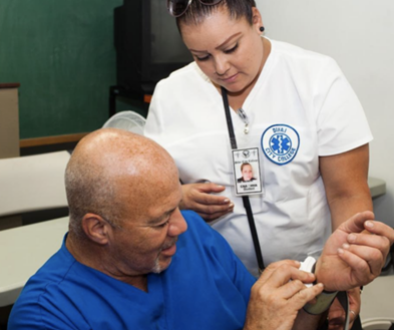
A CNA helps patients with their daily tasks and supports nurses in providing quality care. Responsibilities include feeding, bathing, dressing, and helping patients move safely. CNAs also take vital signs like blood pressure, temperature, and heart rate, and report any changes to the nursing staff.
They are the backbone of patient care. Without CNAs, hospitals, nursing homes, and care centers could not operate efficiently. The role demands patience, focus, compassion, and the ability to work in fast-paced, sometimes stressful environments.
Beyond the technical skills, CNAs provide emotional support, companionship, and reassurance to patients, making the job as rewarding as it is essential.
Who Can Become a CAN?
You do not need a medical degree to become a CNA. Requirements vary slightly by state, but most require you to:
- Be at least 18 years old.
- Have a high school diploma or GED.
- Complete a state-approved CNA training program.
- Pass a background check and health screening.
If you meet these qualifications and have the dedication to learn and care for others, you can pursue CNA certification. The profession is accessible to people from all walks of life, making it an excellent option for career changers or those entering the workforce for the first time.
Choosing a CNA Training Program
Not all CNA programs are created equal. Look for programs that combine classroom instruction with hands-on clinical experience. Ideally, the program should offer:
- Experienced instructors who provide personalized guidance.
- Small class sizes for better learning opportunities.
- Flexible schedules, including evenings and weekends, if you have other responsibilities.
- State approval so your certification will be recognized.
Some programs also offer career services, like help finding internships or employment after graduation. Choosing the right program can make the difference between feeling prepared or overwhelmed when you start working.
What You Learn in Training?
CNA training equips you with the skills you will use every day in patient care, including:
- Taking vital signs accurately
- Assisting with hygiene, mobility, and feeding
- Infection prevention and control
- Patient safety and emergency procedures
- Effective communication with patients, families, and healthcare teams
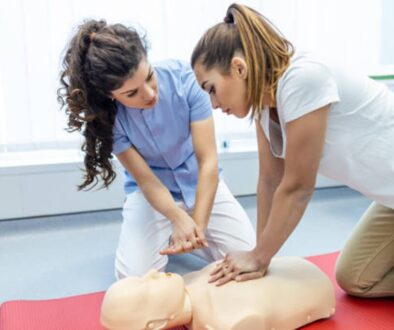
Clinical practice is a major component. Working under supervision with real patients helps you build confidence, refine your skills, and understand the realities of patient care. The more hands-on practice you get, the more prepared you will feel for the CNA exam and your first day on the job.
Preparing for the CNA Exam
Once training is complete, passing the CNA exam is your next step. The exam usually has two parts:
- Written or Oral Test
This portion evaluates your knowledge of patient care, safety, and procedures. Some states allow an oral exam for students who need it. You will answer questions on everything from infection control to proper lifting techniques.
- Skills Test
Here, you demonstrate your ability to perform essential CNA tasks under observation. Typical skills include taking blood pressure, assisting patients with movement, and performing hygiene tasks. Passing both parts is required to become certified.
Tips to Pass the CNA Exam
- Review daily: Consistent study helps information stick.
- Practice skills often: Rehearse tasks in labs or simulations.
- Join a study group: Learning with peers improves retention.
- Organize your study time: Use checklists and set goals.
- Take care of yourself: Eat well, stay hydrated, and get proper rest before the test.
Confidence, preparation, and repetition are key. Most students who follow these steps pass the exam on their first try.
Job Opportunities for CNAs
CNAs enjoy diverse career options and a clear pathway for advancement. They can work in:
- Hospitals and emergency care units
- Nursing homes and long-term care facilities
- Home healthcare agencies
- Rehabilitation centers
With experience, CNAs can advance to higher positions, such as Licensed Practical Nurse (LPN) or Registered Nurse (RN). This makes CNA certification not only a gateway into healthcare but also a foundation for a long-term career.
Salary and Job Outlook
CNAs earn a competitive wage from the start. The demand for healthcare workers is growing rapidly due to an aging population and increased healthcare needs. This creates job stability and ample opportunities for growth. Many CNAs find fulfilling careers that offer both financial security and the chance to make a positive impact on patients’ lives.
Making the Most of Your Training
Attend all classes and labs, ask questions, and practice as much as possible. Developing strong communication skills is just as important as technical ability. Friendly, calm, and professional interactions improve patient care and teamwork.
Take advantage of flexible schedules if you are balancing work or family. Evening or weekend programs allow you to maintain your responsibilities while advancing your career. Choose a program that fits your life, so learning becomes manageable and enjoyable.
Frequently Asked Questions
- How long does it take to become a CNA?
Most programs take 4 to 12 weeks, depending on full-time or part-time attendance. - Do I need experience to enroll?
No. Training programs start with the basics. - What skills does the CNA exam cover?
Patient care, hygiene, vital signs, safety, and communication. - Can CNAs work in different settings?
Yes, including hospitals, nursing homes, and home healthcare. - Is CNA certification valid in all states?
Certification is state-specific, though some states allow reciprocity with additional steps.
Enroll Now!
Becoming a CNA is fast, rewarding, and in high demand. With a state-approved training program, proper exam preparation, and consistent practice, you can begin your healthcare career in just a few months.
Stay organized, maintain a positive attitude, and embrace the opportunity to make a difference every day. Your journey to a meaningful, stable, and fulfilling career starts here.
For those ready to take the first step, we at Difai City College offer flexible programs and hands-on training to get you certified and job-ready quickly.