
What to Expect on Your Basic Life Support (BLS) or CPR Exam
Ever imagined being the person who saves a life? Every second counts. Panic can set in. Your training kicks in. That confidence does not come out of nowhere. It comes from knowing what to expect on your exam. If you are preparing for your CPR training in Los Angeles, CA, this guide will help you see what lies ahead. You will feel ready and less stressed on test day.
What Is the BLS or CPR Exam?
Before you show up at the testing center, know what the exam is all about. The BLS certification exam usually has two parts. One is the written test. The other is the hands-on skills check.
The written part tests your knowledge. The skills portion checks how well you perform CPR and other life-saving techniques. The exam makes sure you can act fast and correctly. It is not about trick questions. It is about real-life readiness.
How Training Gets You Ready?
Most people take CPR certification classes in Los Angeles or BLS classes before the exam. These courses teach the basics and the advanced stuff you will need.
- Hands-On Practice
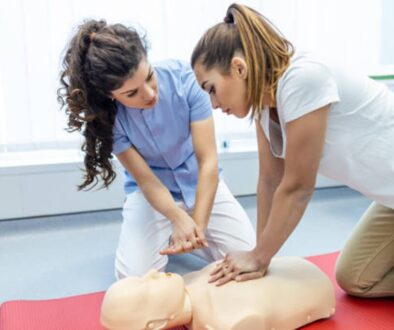
You will spend a lot of time practicing. Instructors show you chest compressions, rescue breaths, and AED use. You practice on manikins again and again. Muscle memory is the goal. When the exam comes, your hands know what to do.
- Learning the Why
Good classes explain why steps matter. For example, why compressions are done at a certain speed or depth. Knowing the reason behind each move helps you stay calm and confident.
- The Written Test: What to Expect
The written part can be online or on paper. It usually comes first. This section checks how well you understand the rules and steps.
Topics You May See
- Chain of survival in cardiac emergencies
- CPR for adults, kids, and infants
- How to use an AED correctly
- Recognizing choking
- Safety, legal, and ethical concerns
The written test ensures you know what to do before you even touch a patient or manikin. It is not meant to trick you. It is meant to make sure you can think clearly in emergencies.
Skills Evaluation: The Heart of the Exam
Once the written test is done, you move to hands-on skills. This is where your training really shows.
What You Will Do
- Perform high-quality chest compressions
- Give proper rescue breaths
- Use an AED safely
- Follow team steps in some advanced scenarios
Instructors watch carefully. They check your technique. Depth, speed, hand placement, and rhythm matter.
Tips for Success
- Stay calm and focused
- Follow the steps you learned
- Keep your hands steady and your breaths controlled
- Listen to the instructor’s directions
This part can be nerve-wracking. But practice and repetition in bls certification classes in Los Angeles, CA help you feel confident.
Staying Calm on Test Day
It is normal to be nervous. Everyone feels it. Even pros who have done hundreds of CPR drills.
Quick Ways to Calm Yourself
- Arrive early at the testing site
- Review your notes briefly
- Take a few deep breaths
- Visualize performing perfectly
Confidence comes from knowing your stuff. Training helps turn fear into action.
Common Mistakes to Avoid
Even well-prepared students make mistakes. Here’s what to watch out for:
- Rushing through compressions – slow and steady wins the race
- Skipping steps – following the sequence is key
- Ignoring feedback – instructors give tips for a reason
- Poor hand placement – small mistakes matter
- Panicking if you make an error – reset calmly and continue
Keep your focus. The exam rewards skill and composure, not speed or panic.
After the Exam
Once you finish, your instructor will score your performance. Pass, and you get your BLS certification, Los Angeles, CA. Most programs give digital copies immediately. Paper certificates may follow later.
Fail, and don’t worry. Most schools let you retake parts or provide extra practice. You can try again and succeed.
Tips from Experienced Test-Takers
- Practice, practice, practice – repetition builds confidence
- Watch videos or demos – seeing others helps you remember steps
- Study in small chunks – short, focused sessions are more effective
- Get feedback from peers – learning with others can highlight mistakes
- Stay healthy before the exam – a good night’s sleep and proper nutrition make a big difference
Why Training Matters?
The BLS and CPR exams are not meant to intimidate. They are meant to prepare you for emergencies. Training turns panic into calm action. It builds skill and confidence. It ensures you can save lives if the moment comes.
Practicing the steps, understanding the theory, and reviewing scenarios make you ready. You do not just memorize motions. You learn to think clearly under pressure. This mindset is what employers value most.
People Also Ask
- How long is a BLS or CPR exam?
It usually takes 30 minutes to 2 hours depending on the course and number of skills tested. - Do I need prior healthcare experience?
No, but you must complete the training course. Basic reading and comprehension help. - What is the difference between CPR and BLS?
CPR focuses on compressions and rescue breaths. BLS covers teamwork, AED use, and advanced care scenarios. - When will I get my certification?
Most programs provide a digital certificate immediately. Paper copies follow later. - Can I retake the exam if I fail?
Yes, most programs offer retakes or extra practice sessions.
Contact Us Now!!
Preparing for your CPR or BLS exam is easier when you know what lies ahead. The written test checks your knowledge. The hands-on skills test checks your technique and calm under pressure. Proper preparation and practice build confidence. Training programs like CPR training and bls certification classes in Los Angeles, CA give you the tools to succeed.
We at Difai City College offer classes designed to get you ready. We guide you through every step so you walk into the exam confident and prepared. Your certification journey starts with us.